What We Do

Services

Everything we handle, from a full repave to a single pothole patch.

Home › Services

Everything we take on

Every job below is one we do ourselves across Bronx.

Asphalt Paving

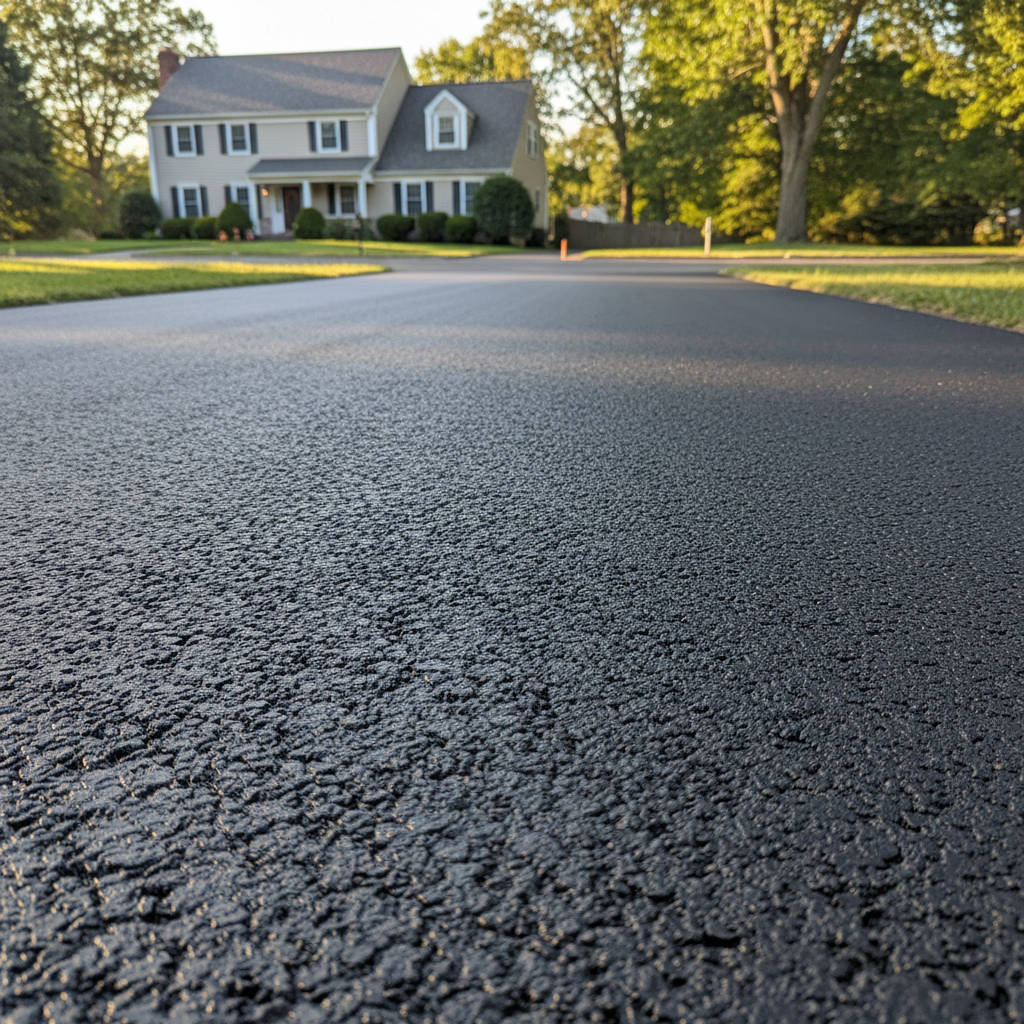
New asphalt gets laid in two lifts, a binder course and a surface course, each one compacted with a roller before the next goes down. Skip the binder course or rush the compaction and the surface shows wheel ruts within a year. We grade the base first so water runs off instead of pooling in the middle of the lot.

Asphalt Driveway Installation

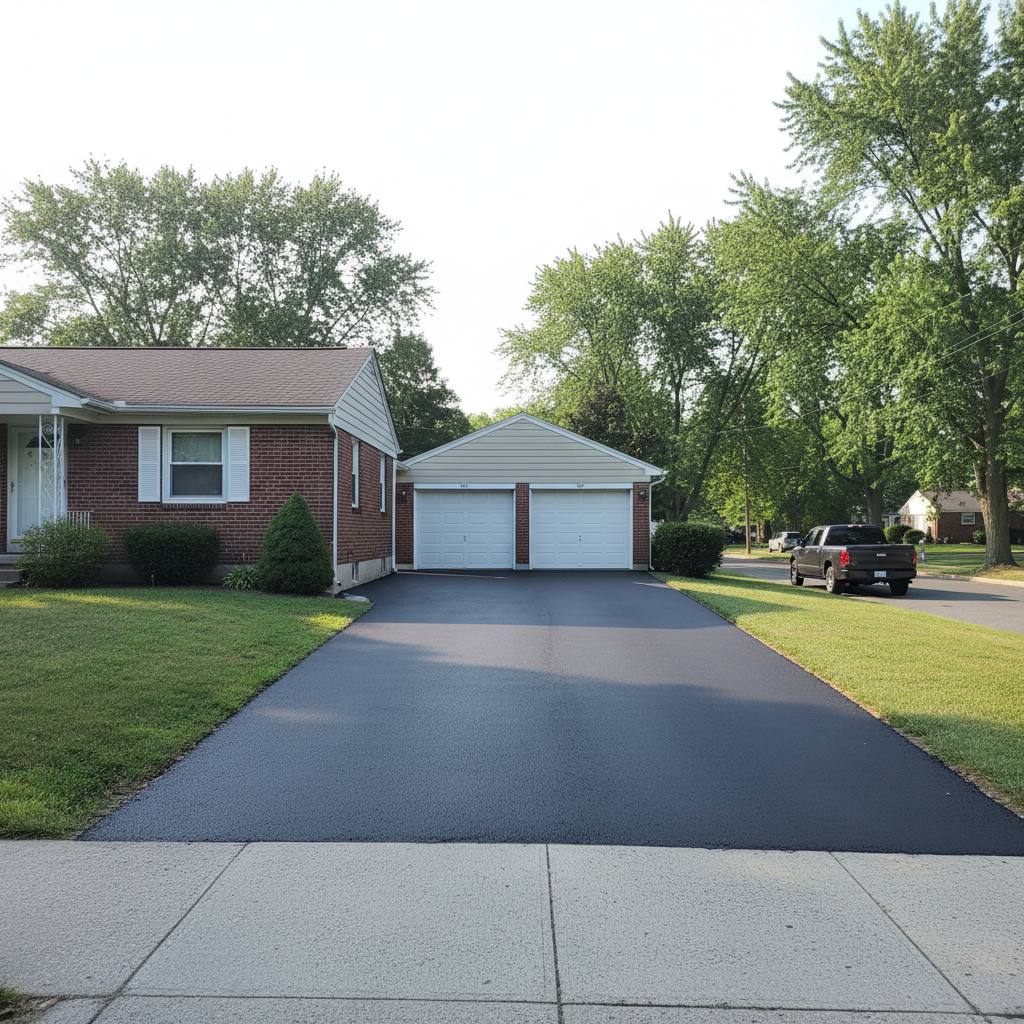
A residential driveway needs about 2 to 3 inches of compacted asphalt over a properly graded stone base, more if you're parking a work truck on it. We set the pitch away from the garage and toward the street so you're not shoveling standing water every spring. Stay off it for at least three days while it cures.

Asphalt Resurfacing & Overlays

If the base underneath is still solid and the cracking is only on the surface, an overlay saves the cost of ripping everything out. We mill down the old surface where it's uneven, tack coat it, and lay a new 1.5 to 2 inch layer on top. If the base has failed, an overlay just hides the problem for a season.

Asphalt Sealcoating

Sealcoating protects asphalt from UV, oil and salt, and it should go on every two to three years once the surface has fully cured. We clean and crack-fill the surface first, because sealcoat over an unfilled crack just traps water underneath. Give it 24 to 48 hours before driving on it, longer if the weather stays humid.

Asphalt Crack Repair

Hairline cracks let water into the base, and once water gets under asphalt, freeze-thaw cycles turn a small crack into alligatoring fast. We rout out the crack and fill it with hot rubberized sealant instead of pouring cold patch over the top. Catch it early and it's a small job.

Pothole Repair

A pothole means water already got under the surface and the base failed in that spot, not just the asphalt on top. We cut out the damaged area square, replace the base material if it's soft, and compact new hot mix in layers instead of dumping it in and tamping once. Cold patch gets you through winter, but it's not a permanent fix.

Asphalt Parking Lot Paving

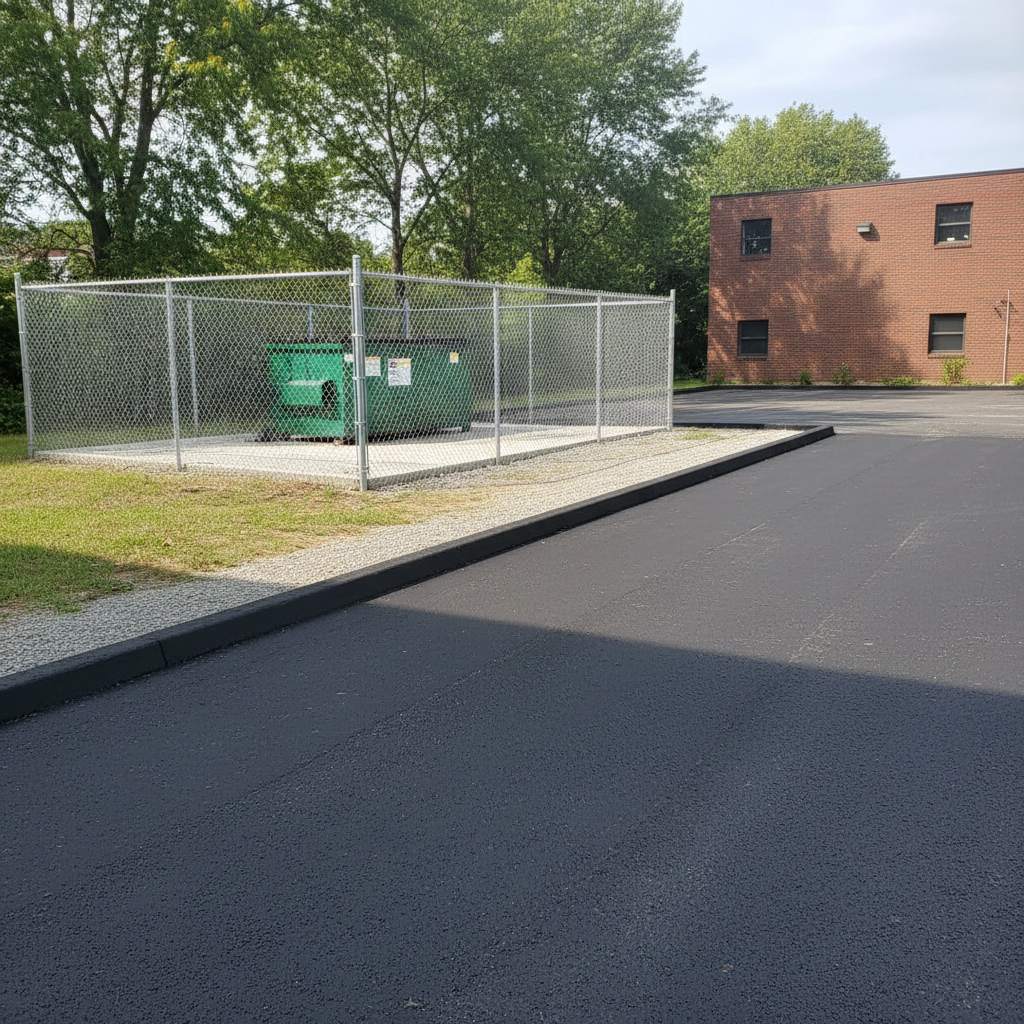
Commercial lots take heavier loads than a driveway, so we spec a thicker base course and account for drainage to the catch basins before any asphalt goes down. We can phase the work section by section if you need the lot open during business hours. Striping and ADA-compliant spaces get laid out once the surface has cured.

Asphalt Milling

Milling grinds off the top layer of old asphalt without touching the base, which keeps curb height and drainage the same when we repave. It's usually cheaper than a full tear-out when the base is still sound. The milled material gets hauled off, not left in a pile on your property.

Asphalt Line Striping

Faded lines in a parking lot aren't just cosmetic, they're a liability if handicapped spaces or fire lanes aren't visible. We lay out striping to match current code and use paint rated for the surface and the climate. Best done a few days after sealcoating so the paint bonds instead of sliding.

Asphalt Patch Repair

Sunken spots, birdbaths and small failed sections don't always need a full repave. We cut the area back to solid asphalt, check the base underneath, and patch it level with the surrounding surface. It's the right call when the damage is isolated instead of spread across the whole driveway.

How It Works

Four steps, and no surprises in any of them.

01

We come and look

You tell us what you want doing, we look at what is actually there, and we ask the awkward questions early.

02

You get a price

In writing, itemised, free. If something might add cost later we flag it now rather than at the end.

03

We do the work

Same crew throughout. We cover your floors, keep the dust down and tidy up before we leave each day.

04

We walk it with you

You point out anything you are not happy with and we fix it before the invoice, not after.

Where We Work

All of this, across Bronx, NY

Available for driveways, lots and private roads throughout this area.

Bronx, NY
Yonkers, NY
Stamford, NY
New Rochelle, NY
Mount Vernon, NY
White Plains, NY
Greenwich, NY
Eastchester, NY
Mamaroneck, NY
Scarsdale, NY
Pelham, NY
Common Questions

Things worth asking

Questions that come up once a project actually gets underway.

Do I need a permit to pave my driveway or repave a parking lot?
Residential driveway repaving usually doesn't require a permit unless the size, grade, or curb cut connecting to the street is changing. Commercial parking lots are more likely to need permits, especially where drainage or ADA-compliant striping is involved. Checking with the local building department before work starts avoids delays.
How long does an asphalt paving job take?
A standard residential driveway usually takes one to two days for base prep and paving, plus a curing period before it can be driven on. Larger parking lots take longer depending on square footage and whether milling or drainage work is needed first. Weather delays can push the timeline if temperatures drop or rain is forecast.
Can asphalt work be done on a tighter budget?
Patching and crack sealing cost far less than a full repave and can buy a few more years out of asphalt that isn't fully failed yet. An overlay over a sound base is cheaper than tearing out and replacing everything down to the subgrade. A contractor should lay out these options with honest pricing for each.
Do you guarantee asphalt paving work?
Most asphalt contractors guarantee workmanship for a set period, separate from manufacturer warranties on sealcoat products or materials. A workmanship guarantee typically covers issues like improper compaction or drainage, not damage from heavy equipment or chemical spills afterward. Getting the specific terms in writing before the job starts is worth the ask.
Who do I deal with day to day during the project?
On most asphalt jobs, homeowners deal directly with the crew lead or the contractor who gave the original quote, not a rotating call center. Daily updates usually cover what was done that day and what's planned next, especially on multi-day lot paving jobs. Direct contact makes it easier to flag an issue, like a low spot, before the final layer goes down.
What type of asphalt do you use?
Most driveway and parking lot work uses standard hot mix asphalt, with a binder course underneath and a finer surface course on top. The exact mix design varies by season, since hot mix is produced differently for warm versus cooler weather paving. Sealcoat and crack filler used afterward are separate products, usually an asphalt emulsion sealer and a rubberized hot-pour crack filler.
Can I stay in my house or keep my business open during paving?
Staying in the house during a driveway repave is fine, though the driveway itself will be unusable for a few days while it cures. Arranging street parking ahead of time avoids the inconvenience. Commercial lots can often be paved in sections so part of the lot stays open during business hours.
What should I do to prepare the site before the crew arrives?
Vehicles, trash cans, and anything stored on the driveway or lot should be moved before the paving crew arrives, since the entire surface needs to be clear. Noting any sprinkler heads, utility covers, or drainage grates in the area helps avoid them being damaged or paved over. Clearing access for equipment, especially for a parking lot, speeds up the job.
What happens if you find a problem with the base once work has started?
If the subgrade turns out to be soft, saturated, or full of old debris once excavation starts, that area has to be dug out and replaced before paving can continue. This is more common on older properties or driveways built over fill that was never properly compacted. A reputable contractor flags it and gets approval before doing extra work rather than paving over it and hoping it holds.
How do I take care of new asphalt once it's installed?
New asphalt needs a few days to cure before regular driving and a full 30 days or more before parking in the same spot repeatedly, which can leave impressions while it's still soft. Sealcoating every two to three years protects against sun, oil, and salt damage. Filling small cracks as soon as they appear keeps water out and prevents potholes from forming.

Not sure what you need?

Describe the problem and we will tell you what it probably is. No obligation.
Call (516) 930-1943